
A Packing Machine plays a critical role in packaging operations by automating the process of filling, sealing, wrapping, or labeling products. Because of its importance, businesses carefully measure how well a Packing Machine is performing to ensure smooth production flow.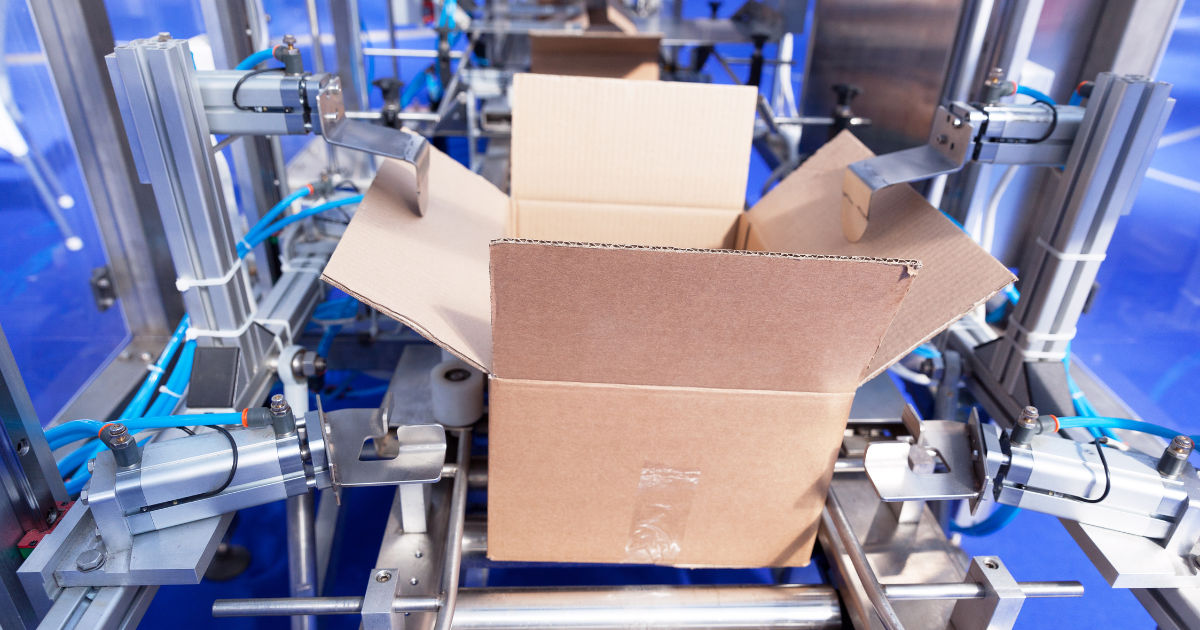
The performance of a Packing Machine is not judged by a single factor. Instead, multiple indicators such as speed, accuracy, efficiency, downtime, and output quality are considered together. When all these factors are optimized, a Packing Machine can significantly increase production capacity and reduce operational costs.
Understanding how a Packing Machine performs helps manufacturers identify problems early and maintain consistent product standards.
Why Measuring Packing Machine Performance Is Important
Measuring the performance of a Packing Machine is essential for several reasons. It helps industries maintain high efficiency and reduce losses in production.
Improves Production Efficiency
A well-monitored Packing Machine ensures that production lines run smoothly without interruptions. By tracking performance, companies can identify slowdowns and fix them quickly.
Reduces Material Waste
If a Packing Machine is not calibrated properly, it can lead to overfilling or underfilling products. Performance measurement helps reduce such waste and saves raw materials.
Ensures Product Quality
Consistency is key in packaging. A Packing Machine must produce uniform packaging every time. Monitoring performance ensures that quality standards are maintained.
Reduces Downtime
Unexpected breakdowns can stop production. Regular performance measurement of a Packing Machine helps predict maintenance needs before failures occur.
Key Metrics Used to Measure Packing Machine Performance
There are several important metrics used to evaluate the efficiency of a Packing Machine. Each metric focuses on a different aspect of performance.
Speed of the Packing Machine
Speed is one of the most basic indicators of a Packing Machine’s performance. It refers to how many units the machine can pack in a specific time.
Production Rate
The production rate measures how many packages a Packing Machine completes per minute or per hour. A higher production rate indicates better performance.
Cycle Time
Cycle time is the time taken by a Packing Machine to complete one full packaging process. Shorter cycle times mean higher efficiency.
A fast Packing Machine is useful for industries with large-scale production demands, but speed must always be balanced with accuracy.
Accuracy and Precision
Accuracy is another critical factor in evaluating a Packing Machine.
Filling Accuracy
A Packing Machine must ensure that each package contains the correct amount of product. Incorrect filling can lead to customer dissatisfaction or regulatory issues.
Labeling Accuracy
For products that require labeling, a Packing Machine must place labels correctly without errors.
Seal Quality
A strong and consistent seal is necessary to protect products. A Packing Machine must maintain proper sealing pressure and temperature.
Efficiency of the Packing Machine
Efficiency measures how effectively a Packing Machine uses resources to produce output.
Overall Equipment Effectiveness (OEE)
One of the most widely used methods to measure a Packing Machine is OEE. It combines availability, performance, and quality into a single score.
A higher OEE means the Packing Machine is working closer to its maximum potential.
Resource Utilization
This measures how well a Packing Machine uses materials, labor, and energy. Efficient machines reduce waste and improve profitability.
Downtime Analysis
Downtime refers to the time when a Packing Machine is not working due to breakdowns or maintenance.
Planned Downtime
This includes scheduled maintenance activities to keep the Packing Machine in good condition.
Unplanned Downtime
This occurs due to unexpected failures or technical issues. Reducing unplanned downtime is essential for improving performance.
A Packing Machine with low downtime is considered highly reliable.
Output Quality of Packing Machine
Quality is one of the most important performance indicators of a Packing Machine.
Defect Rate
This measures the number of faulty packages produced by a Packing Machine. Lower defect rates indicate better performance.
Consistency
A good Packing Machine produces identical packages in terms of weight, size, and sealing.
Customer Satisfaction
High-quality packaging leads to better customer satisfaction, which reflects the performance of the Packing Machine indirectly.
Energy Consumption of Packing Machine
Energy usage is another important factor in performance measurement.
Power Efficiency
A Packing Machine that consumes less energy while maintaining high output is considered efficient.
Cost per Unit
Energy consumption directly affects the cost of each packaged unit. Monitoring this helps businesses reduce expenses.
Maintenance and Reliability of Packing Machine
Regular maintenance plays a major role in determining the performance of a Packing Machine.
Preventive Maintenance
Scheduled servicing helps keep the Packing Machine in good condition and prevents unexpected breakdowns.
Machine Lifespan
A well-maintained Packing Machine lasts longer and performs more consistently over time.
Reliability Index
This measures how often a Packing Machine operates without failure over a period of time.
Automation Level and Technology
Modern Packing Machine systems come with advanced automation features that improve performance.
Manual vs Automatic Systems
Manual Packing Machine systems are slower and less efficient compared to automatic ones.
Smart Sensors
Advanced Packing Machine models use sensors to detect errors and adjust settings automatically.
Digital Monitoring
Many Packing Machine systems are connected to software that tracks performance in real-time.
Factors That Affect Packing Machine Performance
Several external and internal factors influence how well a Packing Machine performs.
Operator Skill
Even an advanced Packing Machine requires trained operators for best results.
Material Quality
Poor-quality packaging materials can reduce the efficiency of a Packing Machine.
Environmental Conditions
Temperature, humidity, and dust can affect how a Packing Machine operates.
Machine Design
The design and build quality of a Packing Machine determine its long-term performance.
Methods Used to Improve Packing Machine Performance
Improving the performance of a Packing Machine requires continuous monitoring and optimization.
Regular Calibration
Calibrating a Packing Machine ensures accuracy in filling and sealing.
Software Updates
Modern Packing Machine systems require updates to improve automation and efficiency.
Operator Training
Well-trained staff can operate a Packing Machine more efficiently and reduce errors.
Predictive Maintenance
Using sensors and data analytics helps predict when a Packing Machine needs servicing.
Real-World Applications of Packing Machine Performance Measurement
Measuring Packing Machine performance is important in many industries.
Food Industry
In food production, a Packing Machine must ensure hygiene and precise portion control.
Pharmaceutical Industry
A Packing Machine in pharmaceuticals must meet strict regulatory standards for safety and accuracy.
E-commerce and Retail
A Packing Machine helps in fast and efficient packaging of goods for delivery.
Manufacturing Industry
A Packing Machine is essential for mass production and consistent packaging quality.
Common Challenges in Measuring Packing Machine Performance
Despite advanced technology, measuring Packing Machine performance comes with challenges.
Data Inaccuracy
Incorrect sensor readings can affect performance evaluation of a Packing Machine.
Machine Variability
Different models of Packing Machine may produce different results under similar conditions.
Human Error
Operator mistakes can distort performance data of a Packing Machine.
Lack of Standardization
Different industries may use different methods to measure Packing Machine performance.
Future Trends in Packing Machine Performance Monitoring
The future of Packing Machine performance measurement is becoming more advanced with technology.
Artificial Intelligence
AI can predict issues and optimize Packing Machine performance automatically.
Internet of Things (IoT)
IoT enables real-time monitoring of Packing Machine systems from remote locations.
Automation Expansion
Future Packing Machine systems will be fully automated with minimal human intervention.
Data Analytics
Advanced analytics will help companies improve Packing Machine efficiency continuously.
Conclusion
Measuring the performance of a Packing Machine is essential for improving production efficiency, reducing waste, and ensuring high product quality. A Packing Machine is evaluated using multiple factors such as speed, accuracy, efficiency, downtime, energy consumption, and reliability. By carefully monitoring these indicators, industries can optimize their operations and achieve better results.
Modern technology has made it easier to track and improve Packing Machine performance through automation, sensors, and real-time data analysis. As industries continue to grow, the importance of understanding and improving Packing Machine performance will only increase.
A well-maintained and efficiently monitored Packing Machine not only boosts productivity but also ensures long-term business success.