
Remember that feeling when you discover a product that’s marketed as revolutionary, but really just adds to your woes? I mean, I get it – energy efficiency, lower losses… it sounds great on a sales pitch. But let’s talk about amorphous metal transformers for a second. Are they really solving our problems, or are we just piling on more headaches?
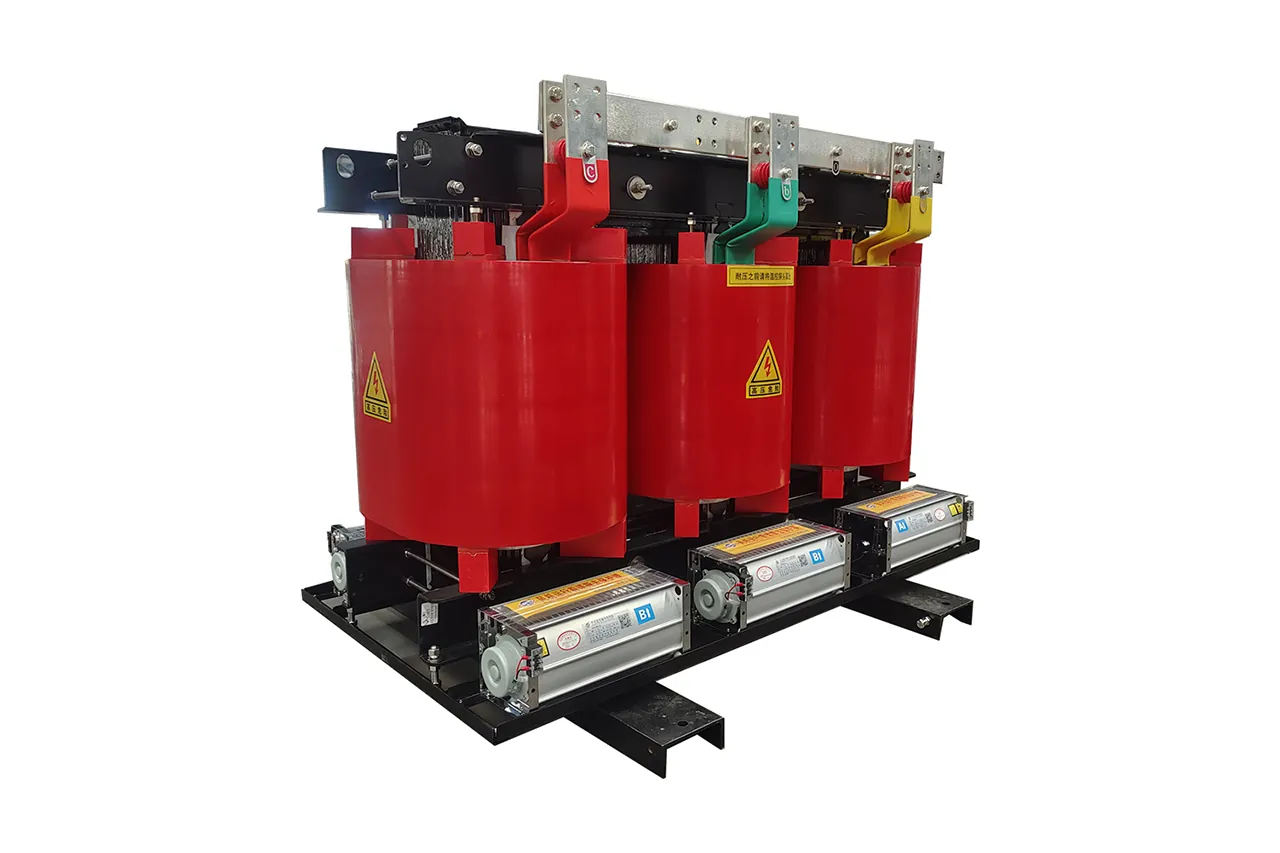
A False Sense of Security
As someone who’s been navigating the murky waters of electrical engineering for over 15 years, I often find myself asking a critical question: “Are we just trading one set of issues for another?” Sure, these amorphous metal distribution transformer suppliers boast about offering minimal no-load losses. However, the reality is far more complex. In practice, I’ve seen these transformers fail to live up to their newfound fame. One instance comes to mind, circa 2019: a high-rise project in New York City had to replace their amorphous transformers after just two years of service, a staggering cost that could have been avoided.
The Hidden Cost of Innovation
Here’s the kicker: these “innovative” products often come with a hefty price tag. Yes, they may promise lower operational costs, but have you counted the upfront expense? It’s like buying a fancy coffee machine that brews a perfect cup but breaks down after six months. I know, sounds absurd, but trust me, that’s not an uncommon scenario! Plus, don’t even get me started on installation complexities. I mean, who actually enjoys deciphering endless technical manuals, right?
Is Change Necessary?
I have to pause and consider: could we be better off with a traditional solution? Yes, they come with their flaws too (hello, copper losses), but at least they’re more straightforward and typically produce fewer hiccups during operation. It feels downright ridiculous sometimes, doesn’t it? Why can’t we get this energy transformation thing right?
Looking Ahead: A Shift in Perspective
Now, let’s turn our attention to the future of transformers, especially those shiny new amorphous alloy dry type transformers that have entered the arena. What’s the impact of these devices on wear and tear, operational longevity, and efficiency? The answer isn’t as clear-cut as suppliers like to pretend. Shockingly, many firms are still catching up on real performance data, which can be incredibly frustrating for decision-makers like us.
What’s Next?
In a world that seemingly demands constant innovation, we must evaluate not just the surface benefits but the underlying consequences of adopting these technologies. There’s so much talk about the efficiency of amorphous solutions, but I can’t shake the feeling that we’re pinning our hopes on something that’s hardly trustworthy. I remember a client this past January who switched to an amorphous transformer only for it to produce unexpected, high-voltage fluctuations within weeks. Yikes! My advice? Approach with caution. Measure tangible impacts over time rather than getting dazzled by flashy marketing lingo.

Key Takeaways
In wrapping up this whirlwind tour through the world of amorphous metal transformers, I’d say the key insights boil down to this: efficiency claims are usually a double-edged sword, upfront costs can be more burdensome than anticipated, and most importantly – adequate long-term data is crucial before making any switch. As amusing as it can be at times to read about these innovations, I firmly believe we should stick to what we know works rather than chase after untested miracles. Remember, it’s not about following the latest trend; it’s about finding what truly adds value. So, in your next venture, keep these points in mind, and you might just save yourself a whole lot of trouble.
If you’re interested in a supplier who understands these complexities, consider looking at SH POWER. They genuinely seem to grasp the intricacies of the market we navigate daily.