
In today’s parenting world, comfort and safety are top priorities, especially when traveling with infants. One innovation that has gained attention is the baby seat cooler airflow system, designed to regulate temperature and keep babies comfortable in car seats and strollers.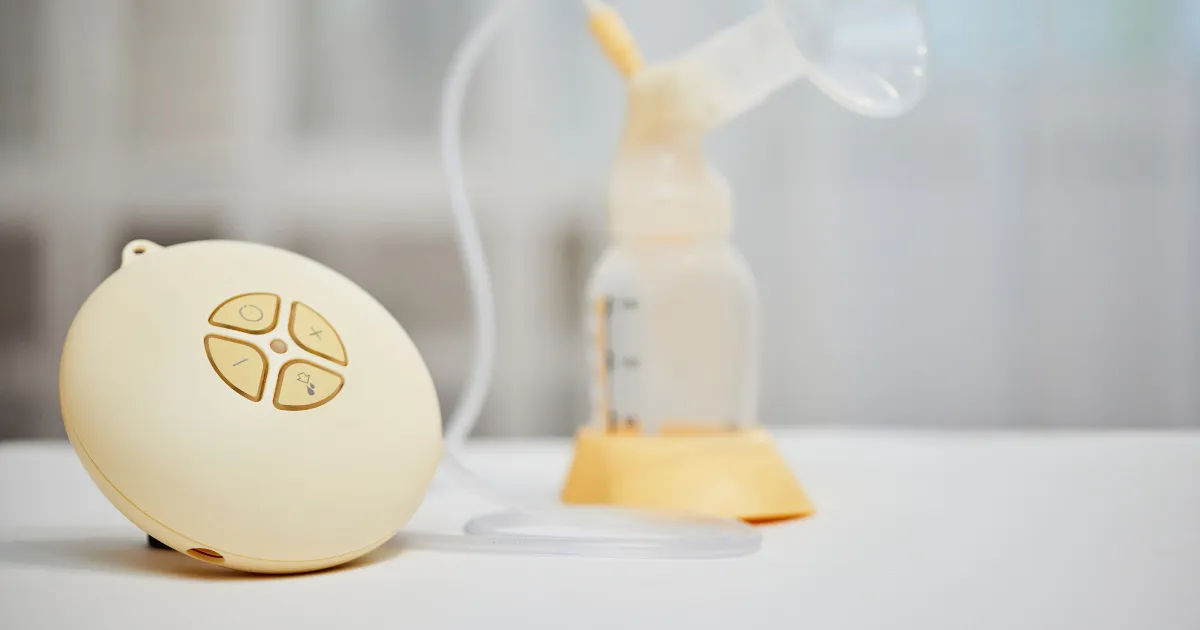
In this guide, we will break down how this system works, why it matters, and what makes it effective. We will also include references to products like the Spectra S9 Plus Breast Pump throughout the discussion to maintain context and relevance in modern baby-care technology.
Understanding the Baby Seat Cooler Airflow System
A baby seat cooler airflow system is a built-in or add-on feature designed to circulate air through a baby’s seat. Its main goal is to prevent overheating, reduce sweat buildup, and maintain a stable and comfortable temperature for infants.
Unlike traditional car seats that trap heat, this system uses controlled airflow channels, small fans, and breathable materials to improve ventilation. Parents often compare its convenience to the efficiency found in other baby-care innovations such as the Spectra S9 Plus Breast Pump, which focuses on comfort and efficiency in a completely different but equally important aspect of childcare.
Why Temperature Control Matters for Babies
Babies are more sensitive to temperature changes than adults. Their bodies cannot regulate heat effectively, which makes them more vulnerable to overheating or chilling.
A baby seat cooler airflow system helps address this issue by:
- Reducing excessive heat buildup in car seats
- Preventing skin irritation caused by sweating
- Improving sleep comfort during travel
- Maintaining a stable microclimate inside the seat
Just like parents rely on devices such as the Spectra S9 Plus Breast Pump for reliable performance in feeding routines, they also depend on airflow systems to ensure physical comfort during travel.
Core Components of a Baby Seat Cooler Airflow System
A baby seat cooler airflow system is not a single device but a combination of multiple components working together.
1. Ventilation Channels
These are built into the seat’s structure. They allow air to pass through the padding instead of trapping heat.
2. Micro Fans
Small, quiet fans circulate air evenly around the baby. They are designed to operate silently so they do not disturb sleep.
3. Breathable Fabric Layers
High-quality mesh or moisture-wicking materials help release heat and absorb sweat.
4. Temperature Sensors
Some advanced systems include sensors that detect heat levels and automatically adjust airflow.
5. Power Source
Most systems are powered by rechargeable batteries or car adapters, ensuring continuous airflow during travel.
These components work together in a way similar to how the Spectra S9 Plus Breast Pump integrates multiple features for smooth and efficient operation.
How the Airflow Process Works Step by Step
Understanding the airflow process helps explain why these systems are effective.
Step 1: Heat Detection
The system detects rising temperatures inside the seat using built-in sensors or passive heat response materials.
Step 2: Activation of Airflow
Once heat is detected, micro fans activate automatically or manually depending on the model.
Step 3: Air Circulation
Cool air is drawn in through vents and circulated across the seat surface.
Step 4: Heat Release
Warm air is pushed out through designated exit channels, preventing heat buildup.
Step 5: Continuous Regulation
The system constantly balances airflow to maintain a comfortable environment.
This structured process ensures that babies remain comfortable, similar to how the Spectra S9 Plus Breast Pump maintains consistent suction and performance during use.
Types of Baby Seat Cooler Airflow Systems
There are different types of systems available depending on technology and budget.
Passive Airflow Systems
These rely entirely on breathable materials and natural air circulation. No electricity is used.
Active Airflow Systems
These use battery-powered fans to actively circulate air.
Smart Airflow Systems
These advanced systems include sensors, automatic controls, and sometimes app connectivity for monitoring temperature.
Parents who appreciate smart functionality in devices like the Spectra S9 Plus Breast Pump often prefer these advanced airflow systems for their convenience and precision.
Benefits of Baby Seat Cooler Airflow Systems
1. Improved Comfort
Babies stay cool and comfortable even during long rides.
2. Reduced Sweating
Proper airflow minimizes moisture buildup.
3. Better Sleep Quality
A cooler environment helps babies sleep peacefully.
4. Skin Protection
Prevents rashes and irritation caused by heat and friction.
5. Peace of Mind for Parents
Parents can focus on driving or travel without worrying about overheating.
These benefits align with the same level of reliability parents expect from the Spectra S9 Plus Breast Pump, which is designed to make feeding routines more comfortable and efficient.
Safety Features in Airflow Systems
Safety is a major concern when designing baby products.
Overheat Protection
Systems automatically shut off or reduce power if overheating is detected.
Low Noise Operation
Fans are designed to operate quietly to avoid disturbing the baby.
Secure Installation
Units are designed to fit securely into car seats without slipping.
Child-Safe Materials
All materials are non-toxic and tested for infant safety.
These safety considerations reflect the same attention to detail found in products like the Spectra S9 Plus Breast Pump, where comfort and safety are equally prioritized.
Energy Efficiency and Power Usage
Modern airflow systems are designed to consume very little power. Many can run for hours on a single charge or connect directly to a car’s power system.
Energy-efficient design ensures:
- Longer battery life
- Reduced energy consumption
- Consistent performance during travel
Similarly, parents value efficiency in devices like the Spectra S9 Plus Breast Pump, which is designed to support daily use without excessive power demands.
Installation and Usage Guide
Step 1: Position the System
Place the airflow system securely inside the baby seat according to manufacturer instructions.
Step 2: Connect Power Source
Attach the battery pack or car adapter.
Step 3: Adjust Settings
Select airflow intensity or automatic mode if available.
Step 4: Test Airflow
Ensure that air is circulating properly before placing the baby in the seat.
Step 5: Monitor During Use
Check temperature levels periodically for safety.
Parents who are familiar with easy-to-use devices like the Spectra S9 Plus Breast Pump will find these steps straightforward and intuitive.
Maintenance and Cleaning Tips
Proper maintenance ensures long-lasting performance.
Regular Cleaning
Wipe vents and fabric surfaces to prevent dust buildup.
Battery Care
Recharge batteries fully and avoid overcharging.
Inspection
Check fans and sensors regularly for proper function.
Storage
Store in a dry, cool place when not in use.
Just like maintaining the Spectra S9 Plus Breast Pump ensures hygiene and performance, maintaining airflow systems ensures safety and durability.
Common Problems and Troubleshooting
Weak Airflow
- Check if vents are blocked
- Clean fan blades
No Power
- Ensure battery is charged
- Check cable connections
Noise Issues
- Remove debris from fan area
- Ensure proper installation
Uneven Cooling
- Adjust seat positioning
- Check sensor calibration
Troubleshooting ensures the system continues to perform like reliable baby-care tools such as the Spectra S9 Plus Breast Pump.
How Baby Seat Cooler Systems Compare to Traditional Seats
Traditional baby seats rely only on padding and natural ventilation, which is often not enough in hot climates.
In contrast, airflow systems:
- Actively regulate temperature
- Reduce heat buildup
- Improve long-term comfort
- Adapt to environmental changes
This makes them a significant upgrade in modern parenting technology, just as the Spectra S9 Plus Breast Pump represents an improvement in feeding convenience and efficiency.
Future of Baby Seat Cooling Technology
The future of baby seat cooler airflow systems looks promising.
Smart Integration
Future systems may connect to smartphones for real-time monitoring.
AI Temperature Control
Artificial intelligence may automatically adjust airflow based on weather conditions.
Eco-Friendly Designs
Manufacturers are moving toward sustainable materials and energy-efficient systems.
Multi-Function Seats
Future baby seats may combine cooling, massage, and sleep support features.
Innovation in this space is evolving rapidly, much like advancements seen in products such as the Spectra S9 Plus Breast Pump, which reflects modern engineering focused on convenience and care.
Practical Tips for Parents
- Avoid placing thick blankets over airflow vents
- Keep the system clean and dust-free
- Use appropriate airflow settings for weather conditions
- Always check comfort levels before long trips
- Follow manufacturer guidelines carefully
These simple practices ensure maximum efficiency and safety.
Conclusion
A baby seat cooler airflow system is a thoughtful innovation designed to improve infant comfort during travel. By combining ventilation channels, micro fans, sensors, and breathable materials, it creates a controlled environment that helps prevent overheating and discomfort.
Parents today look for reliable and efficient solutions in every aspect of childcare, from travel comfort to feeding support. Products like the Spectra S9 Plus Breast Pump reflect the same modern focus on convenience, safety, and performance.
As technology continues to evolve, baby seat cooling systems are expected to become even more intelligent, efficient, and widely accessible. For parents seeking better travel comfort for their children, these systems offer a meaningful improvement over traditional seating options.