
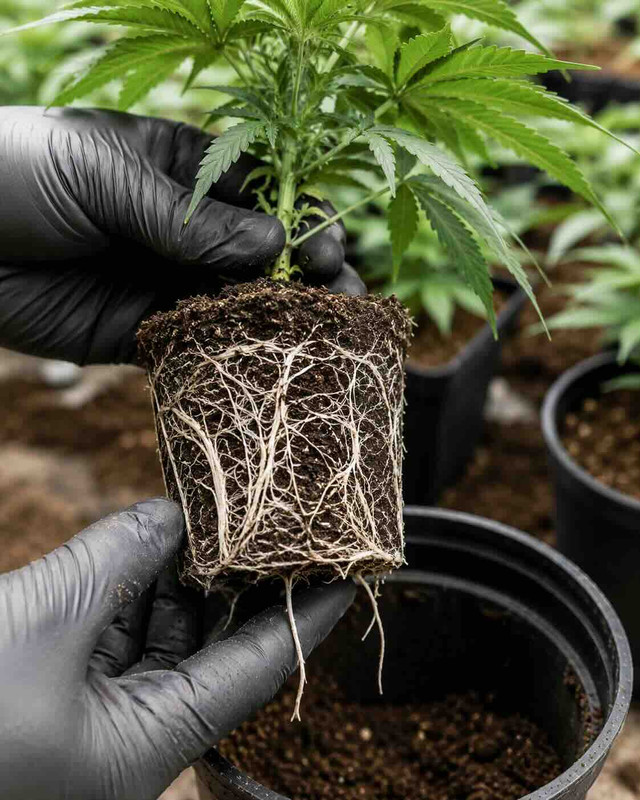
Few cultivation topics generate as much discussion among experienced growers as the choice between organic soil and mineral feeding programs. Both approaches can produce exceptional cannabis, but as a breeder I have always been particularly interested in organic cultivation because of the way it encourages a more natural interaction between the plant and its environment. Organic soil is not simply a growing medium. It is a living ecosystem containing microorganisms, fungi, organic matter, and countless biological processes that work together to support plant development.
Many growers are initially attracted to organic cultivation because of its reputation for producing flavorful flowers. However, the benefits extend far beyond aroma alone. Healthy organic soil can improve root development, buffer environmental fluctuations, support nutrient availability, and reduce the need for constant intervention.
Understanding how organic systems function helps growers decide whether this cultivation style matches their goals and expectations.
What Makes Organic Soil Different?
The primary difference between organic and mineral cultivation lies in how nutrients become available to the plant. In mineral systems, nutrients are typically delivered directly in forms that roots can absorb immediately. Organic soil works differently.
Within a healthy organic environment, microorganisms help break down organic matter into forms that plants can use. Instead of acting as a simple nutrient delivery system, the soil becomes an active participant in the cultivation process.
This biological activity creates a more dynamic relationship between roots and the surrounding environment. Many experienced growers describe organic cultivation as feeding the soil rather than feeding the plant directly.
As a breeder, I appreciate this distinction because it encourages growers to focus on long-term soil health rather than short-term correction strategies.
The Importance of Microbiology
Healthy organic soil contains an enormous population of beneficial microorganisms. Bacteria, fungi, and other microscopic life forms contribute to nutrient cycling, organic matter decomposition, and overall soil vitality.
Mycorrhizal fungi deserve special attention. These fungi form symbiotic relationships with plant roots and effectively expand the root system’s ability to access water and nutrients.
Beneficial bacteria perform equally important functions. They help convert organic compounds into plant-available forms and contribute to a healthier root-zone environment.
The result is often a more resilient cultivation system capable of supporting vigorous growth without relying exclusively on bottled nutrient programs.
Growers exploring different cultivation styles frequently compare genetics through https://www.ministryofcannabis.com/it/semi-di-cannabis-femminizzati/, but regardless of cultivar selection, soil biology remains one of the most influential factors in organic growing.
How Organic Soil Supports Terpene Expression
One of the most common reasons growers choose organic cultivation is the belief that it improves aroma and flavor. While genetics remain the primary determinant of terpene production, many cultivators report exceptional aromatic complexity from well-managed organic gardens.
As a breeder, I evaluate terpene expression constantly because aroma is one of the most important characteristics in modern cannabis. Some of the most memorable flowers I have encountered were produced in biologically active soils that encouraged healthy, balanced plant development.
Organic systems often provide nutrients gradually rather than delivering them in concentrated doses. This slower availability can support more stable growth patterns and reduce certain types of stress associated with aggressive feeding.
Healthy plants generally express their genetic potential more effectively, and terpene production is often one of the areas where this becomes most apparent.
Advantages Beyond Flavor and Aroma
Organic soil offers benefits that extend well beyond terpene expression. One major advantage is buffering capacity. Healthy soils often moderate small fluctuations that might create problems in more intensive feeding systems.
Water retention can also improve depending on soil composition. Organic matter contributes to structure and helps create an environment where roots can access both moisture and oxygen.
Many growers appreciate the reduced need for constant adjustments. While organic systems still require observation and management, they often feel less dependent on daily nutrient corrections.
Long-term sustainability is another important consideration. Living soils can often be reused and improved over time, creating increasingly productive cultivation environments.
From a breeding perspective, stable environments are valuable because they allow plants to express their characteristics more consistently.
Common Mistakes in Organic Cultivation
The biggest mistake beginners make is assuming organic cultivation requires no management. Living soil is resilient, but it is not magical. Environmental conditions, irrigation practices, and soil quality still matter enormously.
Another common error is overcomplicating the process. Many growers add excessive amendments without understanding how those inputs interact within the soil ecosystem.
Patience is also important. Organic systems often function best when biological processes are allowed to work gradually rather than being forced through constant intervention.
Some growers transition from mineral cultivation and expect identical response times. Organic soil typically behaves differently because nutrient cycling depends on biological activity.
Understanding those differences helps prevent frustration and encourages more realistic expectations.
Final Thoughts
The benefits of organic soil for marijuana extend far beyond simple nutrient delivery. Healthy living soils create biologically active environments that support root development, nutrient availability, environmental resilience, and potentially exceptional terpene expression.
Industry cultivation trends and sustainable agriculture developments can be followed through https://www.cannabiz.com.au, but the principles behind organic cultivation have remained remarkably consistent for generations.
As a breeder, I view organic soil as one of the most rewarding cultivation approaches available. It encourages growers to work with natural biological systems rather than constantly attempting to control them. When managed correctly, a healthy living soil becomes more than a growing medium—it becomes a valuable partner in the cultivation process.