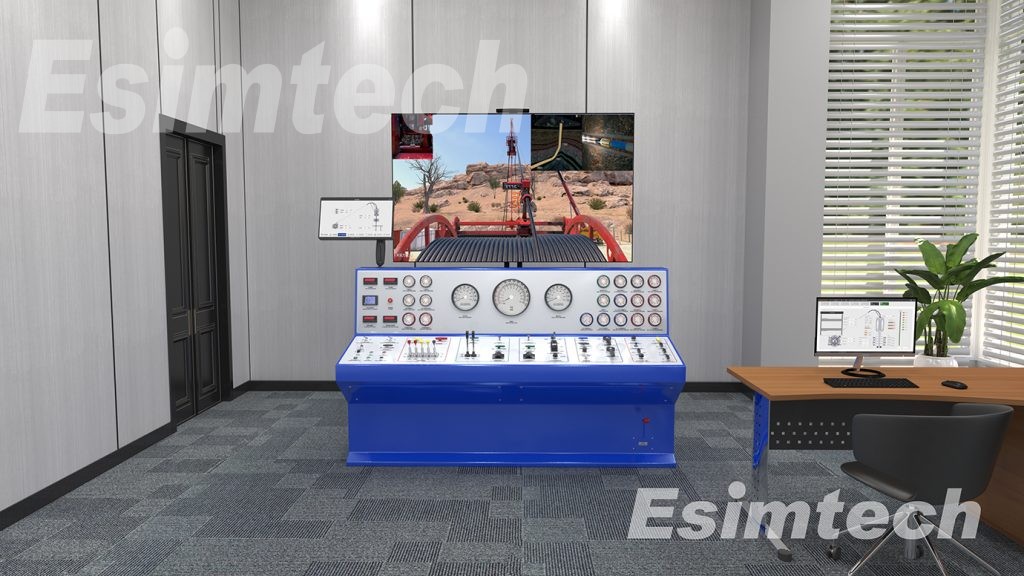
In the ever-evolving oil and gas industry, the training of personnel is paramount. Well intervention simulators, particularly the coiled tubing simulator, play an integral role in this process. These systems are designed to provide realistic environments for trainees, helping them gain essential skills needed for efficient operations.
Importance of Coiled Tubing Simulators
Coiled tubing operations are critical in various stages of a well's lifecycle, including completion and intervention. A snubbing simulator, for example, allows trainees to practice running and pulling string under pressure This is essential for understanding the dynamics of downhole operations without the inherent risks of actual fieldwork.
The coiled tubing simulator replicates real-world scenarios, allowing users to interact with controls and observe real-time reactions. This hands-on experience not only builds confidence but also sharpens decision-making skills under pressure.
How Coiled Tubing Simulators Function
The functioning of coiled tubing simulators is rooted in advanced mathematical and physical modeling. By simulating parameters such as pressure, balance points, and tubing behavior, trainees can experience various operational scenarios safely. This method of training is invaluable, especially when assessing intervention strategies without the associated costs and risks of real operations.
Moreover, the ability to customize parameters in the simulator enables tailored training sessions, accommodating different experience levels and learning objectives. This flexibility ensures that trainees are well-prepared to face real-world challenges head-on.
Benefits of Implementing Coiled Tubing Simulators
Utilizing well intervention simulators like the coiled tubing simulator offers numerous advantages:
- Safety: Simulators enable training in a risk-free environment.
- Cost-Effectiveness: Reducing the need for real-world drills saves costs associated with equipment use and risks.
- Increased Efficiency: Trainees can identify and address potential operational issues before they occur in the field.
- Enhanced Skill Acquisition: Hands-on practice leads to improved operational readiness and competence.
Recommended Products
Portable Snubbing Simulator
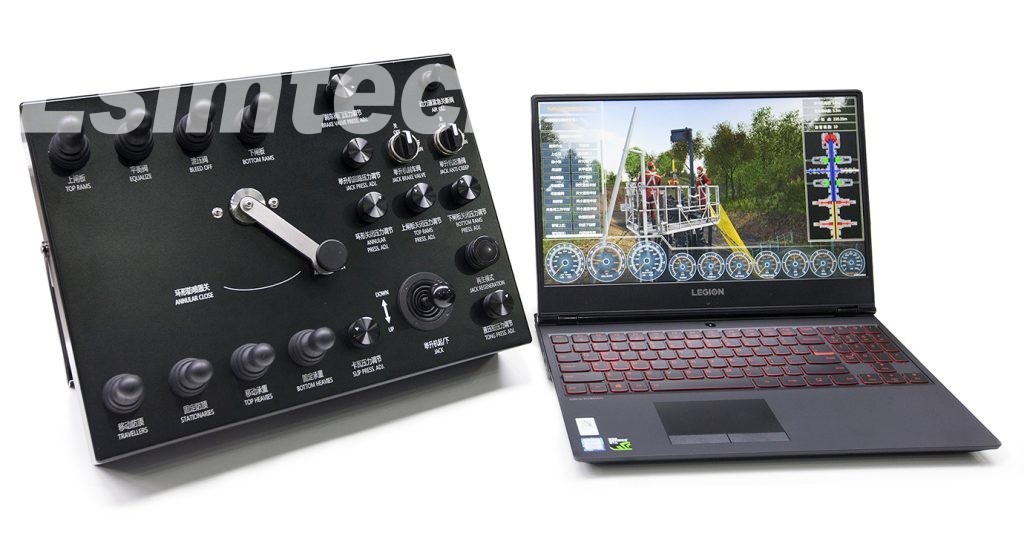
Full Size Coiled Tubing Simulator